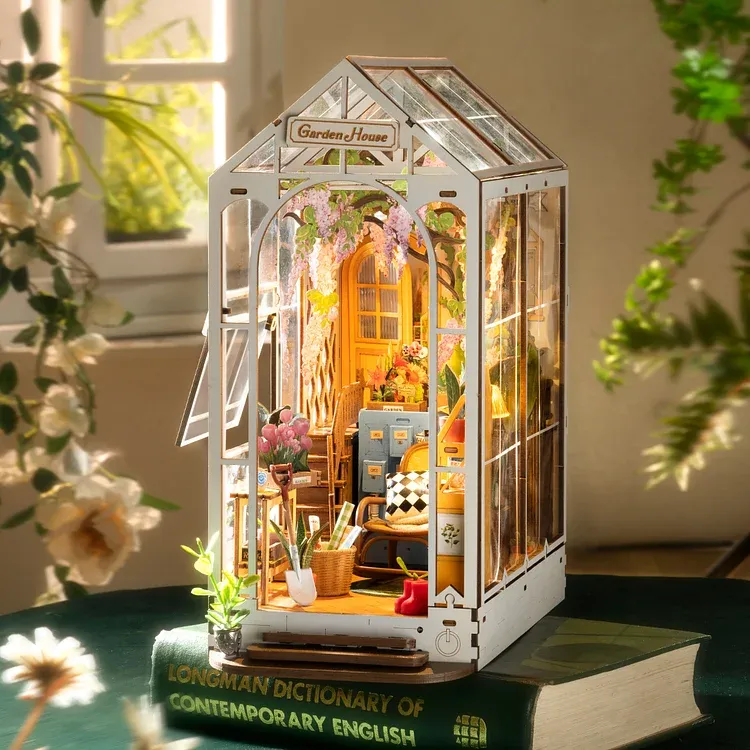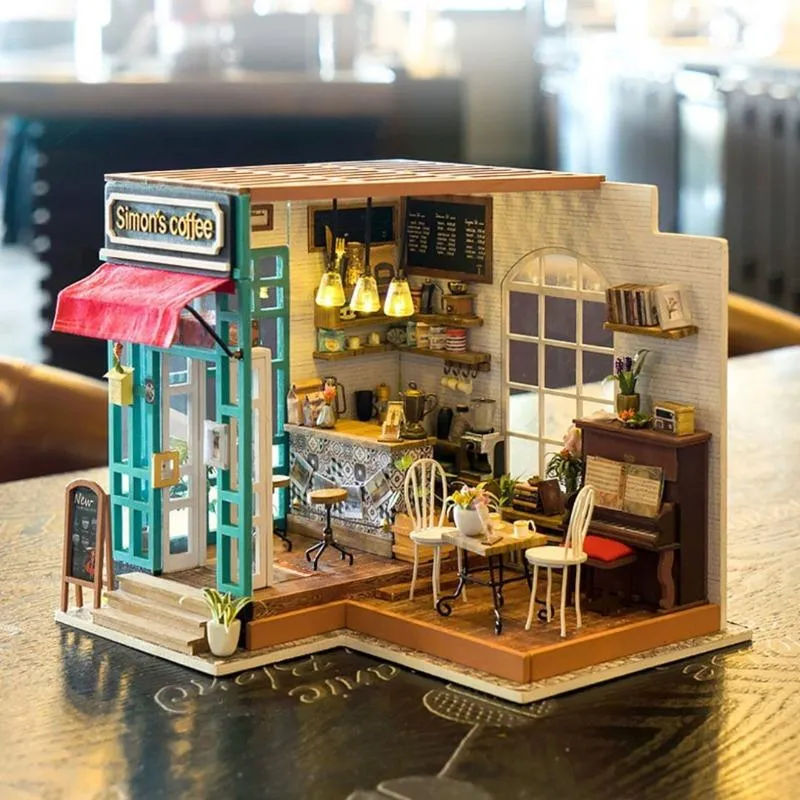

In today’s fast-paced world, I’ve found it increasingly challenging to discover activities that both captivate young minds and impart valuable skills. That’s why I’ve turned to crafting with miniature house kits and 3D puzzles. These activities aren’t just about crafting beautiful models; they’ve become pivotal in nurturing creativity, critical thinking, and fine motor skills in my own experience. They offer a unique blend of fun and learning, making them invaluable tools for young learners to explore their imaginations while developing lifelong skills. Join me as we delve into the myriad benefits of crafting and witness firsthand how these kits can profoundly transform educational experiences.
1. Crafting Benefits Unveiled: Enhance Spatial Awareness Through Crafting
I remember the first time I worked on a 3D puzzle of a famous landmark. The intricate design and tiny pieces required careful attention to detail. As I assembled the puzzle, I noticed my spatial awareness improving. I had to visualize how each piece fit into the larger structure, which was both challenging and rewarding. This is just one of the many benefits of crafting.
Crafting with miniature house kits and 3D puzzles unveils a myriad of benefits of crafting, transcending mere assembly. It’s an enriching experience, nurturing spatial awareness as participants meticulously construct intricate pieces into a unified whole. This hands-on engagement not only sparks creativity but also cultivates essential skills in understanding spatial relationships and dimensions, crucial for success in mathematics and science. Each carefully placed piece serves as a stepping stone, empowering young learners to visualize configurations and grasp the complexities of structure formation. Such foundational skills are invaluable as they navigate their educational journey, highlighting the enduring benefits of crafting.
2. Cultivating Critical Thinking: Unraveling Crafting’s Benefits
One rainy afternoon, I decided to tackle a challenging 3D puzzle. The kit had hundreds of pieces and no clear instructions. I had to figure out how each part fit together, which tested my problem-solving skills and patience. By the end of the day, I had not only completed the puzzle but also felt a significant boost in my critical thinking abilities. This experience truly showcased the benefits of crafting.
Engaging in the assembly of these kits inherently promotes the cultivation of critical thinking and problem-solving skills, showcasing the inherent benefits of crafting. Each kit presents distinctive challenges that prompt participants to dissect components, strategize solutions, and adapt their methodologies accordingly. This process nurtures logical reasoning and hones cognitive agility, laying a solid foundation for enhanced cognitive abilities. As they navigate through these challenges, young learners not only sharpen their critical thinking prowess but also refine their problem-solving acumen—essential skills vital for both academic achievement and real-world applications. These are all part of the benefits of crafting.
3. Refining Fine Motor Skills: Crafting’s Impact on Dexterity
I vividly recall the first time I worked on a miniature house kit with my niece. The tiny pieces required precision and careful handling. As we assembled the furniture and decorations, I noticed how much it improved my niece’s fine motor skills. She became more adept at handling small objects, which was reflected in her improved handwriting at school. This is one of the key benefits of crafting.
Delving into the manipulation of the small pieces and intricate components within these kits unveils a remarkable avenue for enhancing fine motor skills and hand-eye coordination—a testament to the inherent benefits of crafting. This hands-on endeavor proves ideal for children, presenting a captivating and enjoyable means to polish dexterity and fine-tune control over precise movements. The refinement of fine motor skills extends its advantages beyond the realm of crafting, seamlessly transcending into other endeavors demanding manual precision, including writing, drawing, and musical instrument play. These are some of the practical benefits of crafting.
4. Persistence Pays Off: Unveiling the Benefits of Crafting
When I started building my first miniature house, I underestimated the amount of time and patience it required. There were moments of frustration when pieces didn’t fit or parts went missing. However, as I persisted and saw the house taking shape, I learned the value of patience and persistence. The sense of accomplishment I felt at the end was unparalleled, illustrating the benefits of crafting.
Engaging in crafting miniature houses and 3D puzzles is akin to embarking on an enlightening journey brimming with the profound benefits of crafting. It’s a path that imparts the invaluable virtues of patience and persistence. Participants gradually learn to cherish the process, recognizing that progress unfolds gradually, one meticulous step at a time. With each stage of assembly conquered, they nurture resilience and fortitude—qualities that transcend the crafting table, permeating various aspects of life. This cultivation of a growth mindset equips young learners with the confidence and perseverance to confront challenges head-on, fostering personal growth and development. These are essential benefits of crafting.
5. Crafting Mathematics: Exploring Crafting’s Educational Benefits
As a child, math was never my favorite subject. However, when I started working on 3D puzzles, I found myself enjoying the process of calculating proportions and deciphering measurements. It made abstract mathematical concepts more tangible and fun. This hands-on experience significantly improved my understanding and appreciation of math, showing the benefits of crafting.
These kits offer a practical and tangible way to explore mathematical concepts such as geometry, symmetry, and scale. Participants calculate proportions, decipher measurements, and understand spatial relationships in an engaging context. This hands-on experience reinforces mathematical principles, making abstract concepts more accessible and enjoyable. By applying math in a creative setting, learners gain a deeper appreciation and understanding of its relevance and application. This is another way the benefits of crafting become evident.
6. Fostering Creativity: Unleashing the Benefits of Crafting
One of my favorite crafting experiences was building a miniature Victorian house. I spent hours painting tiny furniture, choosing wallpaper patterns, and arranging rooms. This creative process not only made the project enjoyable but also stimulated my cognitive development and allowed me to express my artistic side, highlighting the benefits of crafting.
Crafting with these kits unlocks a realm where the benefits of crafting thrive. It’s a sanctuary for creativity and imagination to bloom. Participants delve into a world of personalization, exploring diverse designs and envisaging distinctive scenarios. Be it whimsical fantasies or historically accurate replicas, each kit metamorphoses into a canvas for self-expression and innovation. This unfettered creativity cultivates a profound appreciation for the arts and nurtures boundless imaginative thinking, demonstrating the benefits of crafting.
7. Exploring Culture: Crafting’s Benefits in Historical Appreciation
Working on a model of a historical building opened my eyes to the rich history behind architectural styles. As I researched to make my model accurate, I learned about different cultures and historical periods. This deepened my appreciation for history and inspired me to explore more about the world’s architectural heritage. This personal experience highlighted the cultural benefits of crafting.
Themed miniature house craft kits and 3D puzzles can spark curiosity and appreciation for diverse cultures and historical periods. As participants engage with these kits, they gain insights into architecture, art, and societal norms from various times and places. This expands their cultural awareness and understanding, promoting a deeper connection to history and the world around them. This is yet another of the benefits of crafting.
8. Emotional and Social Benefits
Crafting is not just about creating beautiful things; it’s also a wonderful way to improve emotional well-being and social skills. When I started crafting, I found it to be an excellent outlet for expressing my emotions and relieving stress. Working on a project with friends or family has strengthened our bonds and created lasting memories. For instance, one weekend, my family and I decided to build a miniature house together. The laughter and teamwork during that project not only resulted in a beautiful model but also brought us closer together. These are some of the emotional and social benefits of crafting.
9. Mindfulness and Stress Relief
Crafting can be a great way to practice mindfulness and relieve stress. When I sit down to work on a 3D puzzle, I find that my mind becomes fully focused on the task at hand, allowing me to forget about the worries of the day. This meditative state not only helps me relax but also leaves me feeling refreshed and more centered. Crafting has become my go-to activity for winding down after a hectic week, showcasing the stress relief benefits of crafting.
10. Sensory Development
Manipulating the small pieces and intricate components within these kits offers a remarkable way to enhance sensory skills. This hands-on activity proves ideal for children, providing a captivating and enjoyable means to polish dexterity and fine-tune control over precise movements. The refinement of sensory skills extends beyond crafting, benefiting other activities requiring manual precision, such as writing, drawing, and playing musical instruments. These are additional sensory benefits of crafting.
11. Age-Appropriate Crafting Activities
Different crafting activities are suitable for various age groups. Younger children may benefit more from simple 3D puzzles that quickly enhance problem-solving and fine motor skills. Older children, teenagers, and adults might enjoy the detailed planning and creative customization involved in building miniature houses. These intricate projects not only engage the mind but also offer a creative outlet for those interested in design and architecture. This illustrates the age-appropriate benefits of crafting.
12. Environmental Benefits
Assembling 3D puzzles and miniature houses can also promote awareness of environmental sustainability. Many kits are now made from eco-friendly materials, such as recycled wood and biodegradable plastics, which reduce their environmental impact. When I worked on a model of a historical building, I became more aware of the importance of preserving our architectural heritage. These activities can inspire a greater appreciation for the environment and our history, encouraging more sustainable practices. This highlights the environmental benefits of crafting.
Conclusion
Embark on a journey of discovery and learning with our miniature house craft kits and 3D puzzle kits. From honing fine motor skills to fostering creativity and critical thinking, these kits offer a holistic educational experience that emphasizes the benefits of crafting. They inspire, engage, and empower learners of all ages. Discover the transformative power of crafting and see how these engaging activities can enrich the lives of young minds, providing them with skills that will last a lifetime.