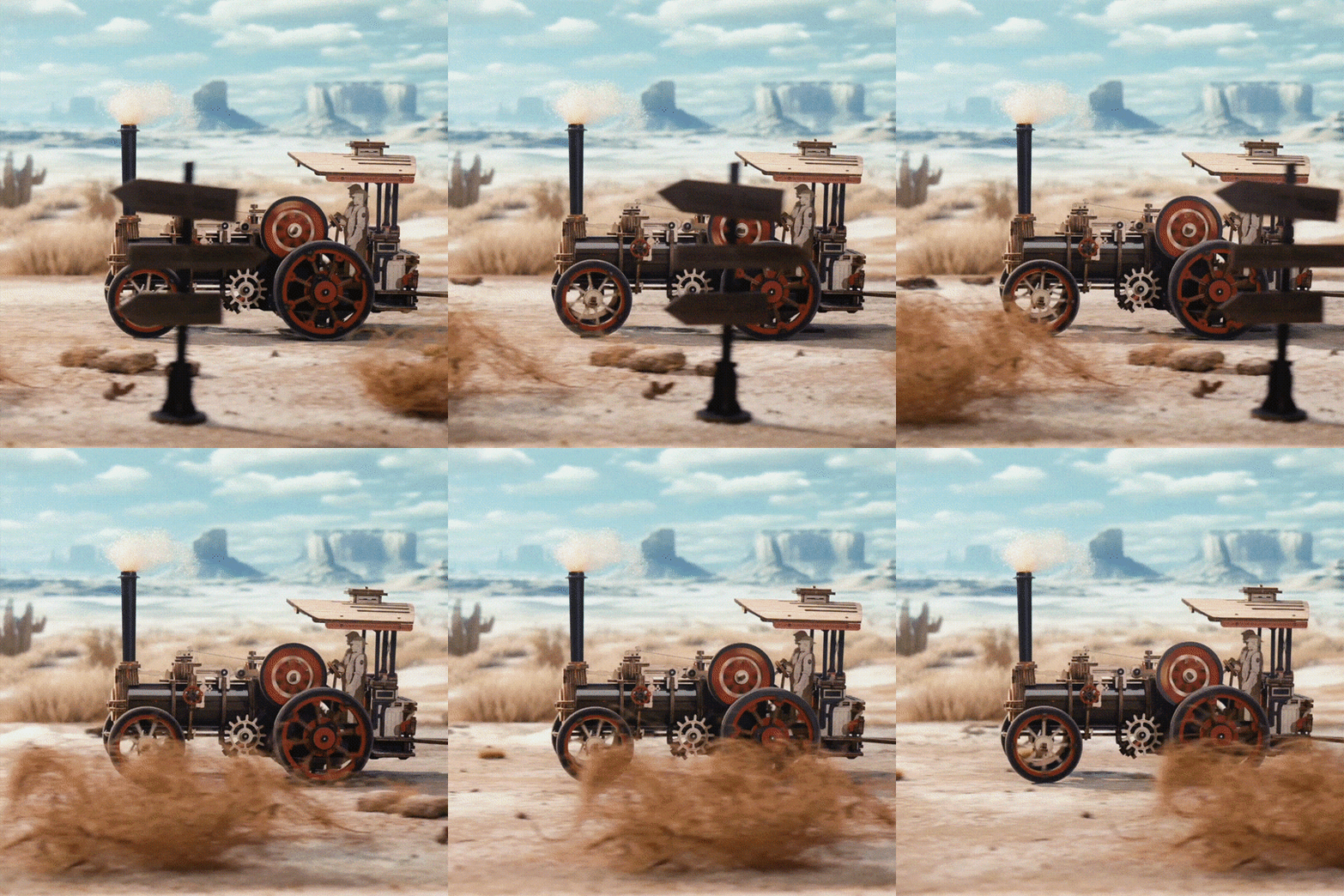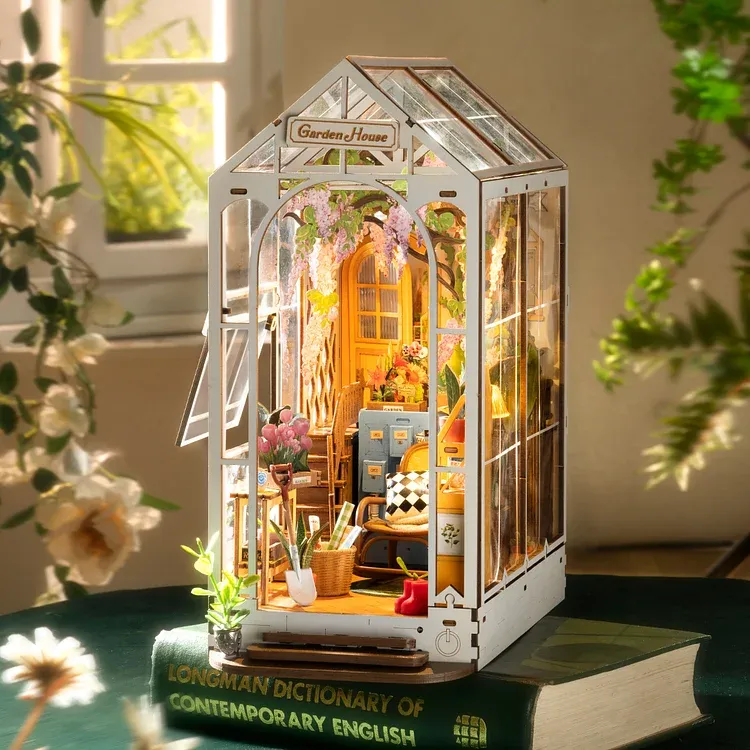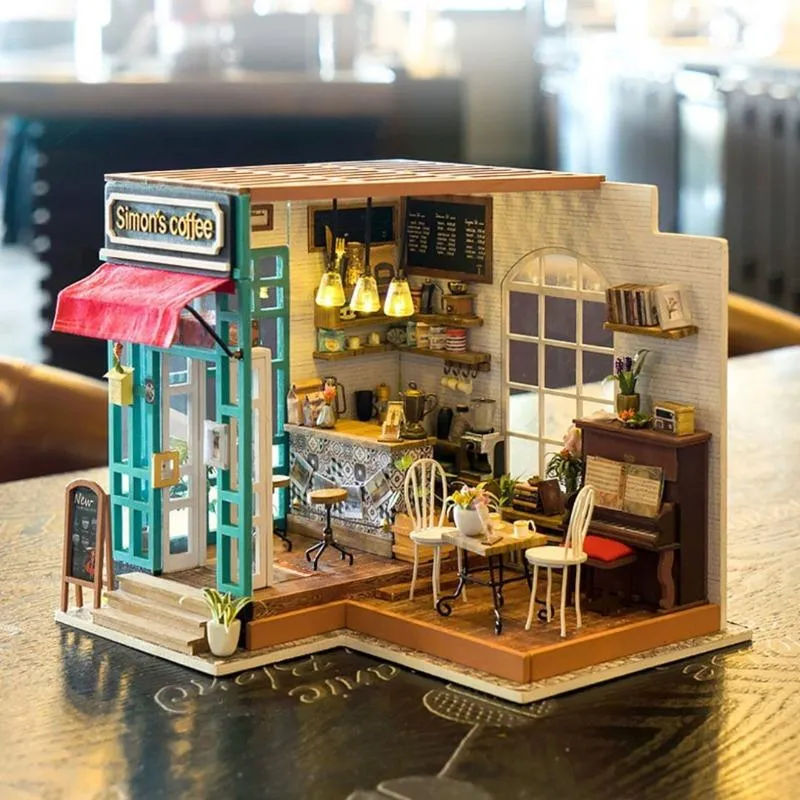

Have you ever tried putting together a 3D puzzle? I stumbled upon a beautiful 3D wooden puzzle of the Eiffel Tower at a local craft fair and decided to give it a try, since I enjoy puzzles and challenges. What started as a fun hobby quickly became a journey of improving my problem-solving skills and spatial reasoning. Each piece had to fit perfectly, which made me think strategically and stay focused. It wasn’t just about building the Eiffel Tower; it was about engaging my mind in a fulfilling way.
As I worked on the puzzle, I found it to be a relaxing break from daily stress. It also sparked conversations with friends, curious about my new hobby. These puzzles not only entertained me but also helped me unwind and sharpen my mental skills. Join me as we explore the cognitive benefits of 3D puzzles and miniature houses. It’s about enjoying an activity that boosts your brainpower, offering both challenge and satisfaction beyond just putting pieces together.
What are 3D Puzzles and Miniature Houses?
3D Puzzles
3D puzzles are three-dimensional models that require assembly from multiple pieces to form a complete structure. These puzzles vary widely in complexity and theme, appealing to hobbyists and enthusiasts of all ages. There are several types of 3D puzzles:

1. Mechanical Puzzles: These puzzles involve intricate mechanisms and moving parts. They often require precise assembly to achieve functionality, such as gears that turn or models that perform specific actions.
2. Architectural Puzzles: Architectural puzzles replicate famous buildings, landmarks, or cityscapes in miniature form. They typically feature detailed pieces made from materials like foam, plastic, or wood, which fit together to create a realistic representation of the structure.
3. Artistic and Customizable Puzzles: Some 3D puzzles allow for artistic expression and customization. These puzzles may include blank models or kits that can be painted, decorated, or modified according to personal taste and creativity.
4. Educational and Interactive Puzzles: Educational 3D puzzles combine learning with hands-on construction. They may focus on subjects like biology with models of animals or plants, or teach geography with maps and landmarks, making learning engaging and interactive.

Miniature Houses
Miniature houses, also known as dollhouses or architectural models, are scaled-down replicas of houses, buildings, or entire cities. These models are meticulously crafted to resemble real structures in miniature detail. Types of miniature houses include:
1. Dollhouses: Dollhouses are miniature replicas of houses, complete with rooms, furniture, and sometimes dolls. They are often used as toys or collectibles, offering imaginative play opportunities for children and hobbyists alike.
2. Architectural Models: Architectural models represent buildings or structures in detailed scale. They are commonly used by architects, designers, and urban planners to visualize and present architectural concepts and projects.
3. Fantasy or Historical Miniatures: These are miniature houses that depict fantastical or historical settings, such as medieval castles, fairy tale cottages, or scenes from specific historical periods. They blend creativity with historical or fictional narratives.
Cognitive Benefits of 3D Puzzles
Assembling 3D puzzles is more than just a fun activity; it’s a great workout for your brain. It can improve your problem-solving skills, concentration, fine motor skills, and even help you connect with others. Let me share my personal experience and explain how 3D puzzles can benefit you.
The Eiffel Tower puzzle I worked on had lots of tiny pieces. At first, it seemed really hard, but as I got into it, I noticed some changes in how I thought and focused. Here’s how building 3D puzzles helped me improve my mind.
Problem-Solving Skills
Putting together 3D puzzles helps you become better at solving problems. You have to figure out how each piece fits into the whole structure, which makes you think in new ways. When I started working on the Eiffel Tower puzzle, I had to try different pieces and strategies. This trial-and-error process made me better at thinking creatively and solving problems.
One puzzle that really challenged me was a mechanical model with moving parts. Each piece had to fit perfectly for the gears to work. This type of puzzle not only tested my ability to see how pieces fit together but also made me think logically about how mechanical things work.
Improvement in Concentration
Working on puzzles is great for improving concentration. Studies show that activities requiring long periods of focus, like 3D puzzles, can help you concentrate better. I experienced this myself, spending hours on my puzzle projects and getting deeply absorbed in them.
To stay focused, I made sure to work in a quiet place, keep distractions to a minimum, and take breaks. These tips not only helped me focus on puzzles but also improved my concentration in other areas of life.
Enhancement of Fine Motor Skills
Building 3D puzzles can improve your fine motor skills, which involve precise movements of your hands and fingers. Handling small, detailed pieces improves hand-eye coordination and dexterity. This is useful for kids developing these skills and for adults wanting to keep their skills sharp.
After working on several detailed models, I noticed that tasks requiring delicate handling became easier for me. For kids, these activities can help them develop their motor skills in a fun way, while adults can maintain and improve their dexterity.
Social and Emotional Benefits
Assembling 3D puzzles can also help you connect with others and improve your emotional well-being. Working on puzzles with family or friends creates chances to collaborate and communicate. One holiday, my family and I worked on a large puzzle together. It brought us closer and gave us a sense of accomplishment.
Working on puzzles can also be a relaxing and stress-relieving activity. Completing a puzzle gives you a sense of achievement and can boost your self-esteem. Whether you’re working alone or with others, solving puzzles can make you feel good and reduce stress.
Cognitive Benefits of Miniature Houses
Building miniature houses is a fascinating and rewarding hobby that offers numerous cognitive benefits. It enhances your understanding of architecture and design, helps you learn about various subjects like history and geography, boosts creativity, and teaches patience and persistence. Let me share how building a miniature house improved my cognitive skills and provided me with a deeper appreciation for the art and science of architecture.
I remember the first time I decided to build a miniature Victorian house. The kit came with tiny pieces of furniture, intricate designs, and a detailed layout that required careful attention. As I worked on this project, I experienced several cognitive benefits that enriched my understanding and skills.
Architectural Understanding
Building miniature houses significantly develops your understanding of architecture and design. Assembling these tiny structures requires you to think about the layout, structural integrity, and aesthetics, which deepens your appreciation for architectural concepts. While working on my Victorian house, I had to understand how each part of the house fit together, from the foundation to the roof. This experience gave me a new perspective on how real houses are designed and built.
For students and professionals in architecture and related fields, building miniature houses can be especially beneficial. It provides hands-on experience with architectural principles and helps visualize complex designs. This practical understanding can be a valuable complement to theoretical studies.
Educational Benefits Beyond Architecture
Building miniature houses also enhances learning in subjects such as history, geography, and mathematics. These projects often include historical or geographical themes, making them educational as well as fun. While working on my Victorian house, I learned about the architectural styles of the Victorian era, which sparked my interest in that period’s history.
Incorporating 3D puzzles and miniature houses into educational curricula can make learning more engaging. For example, students can build models of historical landmarks to better understand historical events or create geographical models to learn about different regions of the world. This hands-on approach makes abstract concepts more concrete and memorable.
Certainly! Here’s an enhanced version of the section with increased mention of the focus keywords “benefits of 3D puzzles”:
Creativity and Imagination
Exploring creativity and imagination is one of the most enjoyable aspects of building miniature houses, underscoring the creative benefits of 3D puzzles. Customizing and decorating your miniature house offers a canvas for artistic expression. Personally, I spent countless hours painting tiny furniture, selecting wallpaper patterns, and arranging rooms in my Victorian house. This creative process not only heightened my enjoyment of the project but also stimulated my cognitive development through the benefits of 3D puzzles.
Engaging in such creative projects significantly impacts cognitive development by fostering imaginative thinking and problem-solving skills, highlighting the creative benefits of 3D puzzles. It encourages experimentation with various designs and concepts, nurturing a sense of innovation and creativity.
Patience and Persistence
Building intricate models, emphasizing the developmental benefits of 3D puzzles, promotes patience and persistence. These projects demand meticulous planning, attention to detail, and the ability to sustain focus over extended periods. During the assembly of my miniature house, I encountered numerous challenges, from fitting tiny pieces together to executing intricate designs with precision. Conquering these hurdles taught me invaluable lessons in patience and persistence, showcasing the developmental benefits of 3D puzzles.
Effectively managing frustration throughout the assembly process is crucial for maintaining motivation and achieving successful outcomes. Techniques such as breaking the project into smaller tasks, setting achievable goals, and taking regular breaks are essential in managing frustration and sustaining motivation. Celebrating small achievements along the way fosters a sense of progress and accomplishment, reinforcing the developmental benefits of 3D puzzles.
Comparative Benefits of 3D Puzzles and Miniature Houses
Exploring the cognitive benefits of both 3D puzzles and miniature houses illuminates how each activity uniquely stimulates the mind and fosters creativity, highlighting the diverse benefits of 3D puzzles. By comparing these two engaging hobbies, we gain insight into their individual and shared benefits, and can better determine which might be more suitable for different age groups or cognitive goals. Additionally, both activities can offer long-term cognitive benefits and promote environmental sustainability, underscoring the holistic benefits of 3D puzzles.
My personal journey with both 3D puzzles and miniature houses has been profoundly enlightening. Each hobby presented unique challenges and rewards, enhancing my cognitive abilities in distinct ways. Here’s a comparison based on my experiences and the broader benefits they offer, including the benefits of 3D puzzles.
Comparison Between 3D Puzzles and Miniature Houses
Both 3D puzzles and miniature houses offer significant cognitive benefits, emphasizing the diverse benefits of 3D puzzles. However, they achieve this in distinct ways. 3D puzzles excel in enhancing problem-solving skills and spatial reasoning. The process of deciphering how pieces fit together requires critical thinking and often involves trial and error, illustrating the practical benefits of 3D puzzles. For example, assembling a 3D puzzle of a renowned landmark like the Eiffel Tower enhanced my spatial awareness and logical thinking, showcasing the direct benefits of 3D puzzles.
Conversely, constructing miniature houses fosters a profound understanding of architecture and design. It entails meticulous planning and creative customization, stimulating both analytical and artistic skills. When I undertook the construction of a miniature Victorian house, I needed to consider structural design while expressing my creativity through decoration and arrangement, highlighting the creative and practical benefits of 3D puzzles.
Regarding suitability, 3D puzzles may be more appropriate for younger children and individuals seeking rapid improvement in problem-solving and fine motor skills, given the immediate engagement from assembling pieces. In contrast, miniature houses, with their intricate details and longer assembly times, may appeal more to older children, teenagers, and adults interested in design, architecture, or those seeking a creative outlet. This comparison underscores the diverse cognitive and developmental benefits of 3D puzzles and miniature houses.
Long-Term Cognitive Benefits
Engaging in 3D puzzles and miniature houses over time can significantly enhance the benefits of 3D puzzles and contribute to long-term cognitive health while potentially preventing cognitive decline. Regularly challenging the brain with these activities keeps it active and engaged, which is crucial for maintaining mental acuity as we age. For older adults, these hobbies can be particularly beneficial. They offer a way to keep the mind sharp, improve fine motor skills, and provide a sense of accomplishment, highlighting the enduring benefits of 3D puzzles.
My grandmother, for instance, found great joy and cognitive stimulation in assembling intricate miniature houses. She loved the detailed work and often said it helped her keep her mind sharp. Similarly, I’ve noticed that regularly working on 3D puzzles helps me stay mentally agile, providing a fun way to exercise my brain and enjoy the long-term benefits of 3D puzzles.
Environmental and Sustainability Aspects
Assembling 3D puzzles and miniature houses can also promote awareness of environmental sustainability and historical preservation, underscoring the broader benefits of 3D puzzles. Many kits are now made from eco-friendly materials, such as recycled wood and biodegradable plastics, which reduce their environmental impact and align with sustainable practices.
When I worked on a model of a historical building, I became more aware of the importance of preserving our architectural heritage and environmental responsibility. These activities not only foster creativity and cognitive development but also inspire a greater appreciation for our environment and history, showcasing the environmental and sustainability benefits of 3D puzzles and miniature houses.
Conclusion
As we have explored, both 3D puzzles and miniature houses offer a wealth of cognitive, social, and emotional benefits. These engaging activities not only challenge the mind but also foster creativity, patience, and a sense of accomplishment. Let me share how these hobbies, particularly the benefits of 3D puzzles, have positively impacted my life and why I believe they are valuable for anyone seeking holistic cognitive development.
Reflecting on my experiences with both 3D puzzles and miniature houses, I can confidently say that they have enriched my cognitive abilities in numerous ways. The intricate process of assembling 3D puzzles sharpened my problem-solving skills and improved my spatial reasoning. Each puzzle presented a new challenge, whether it was a mechanical model with moving parts or a detailed architectural replica. These activities kept my mind active and engaged, providing a satisfying mental workout and highlighting the benefits of 3D puzzles.
Building miniature houses, on the other hand, offered a different set of benefits. As I carefully crafted each tiny piece and decorated the rooms, I developed a deeper understanding of architecture and design. This hobby also enhanced my patience and persistence, as each step required meticulous attention to detail. The creative freedom to customize and personalize my miniature house allowed me to express my artistic side, making the project even more rewarding alongside the benefits of 3D puzzles.
Beyond the cognitive benefits, both activities provided significant social and emotional rewards. Working on puzzles with family and friends created opportunities for collaboration and communication, strengthening our bonds. The sense of accomplishment and joy that came from completing a challenging model or a beautiful miniature house boosted my self-esteem and emotional well-being, further demonstrating the benefits of 3D puzzles.
I encourage you to explore 3D puzzles and miniature houses as hobbies for holistic cognitive development. These activities, including the benefits of 3D puzzles, are not only fun and engaging but also offer valuable benefits for the mind and soul. Whether you are a young student looking to enhance your problem-solving skills, a professional seeking a creative outlet, or an older adult aiming to maintain mental acuity, these hobbies can provide the stimulation and satisfaction you need.