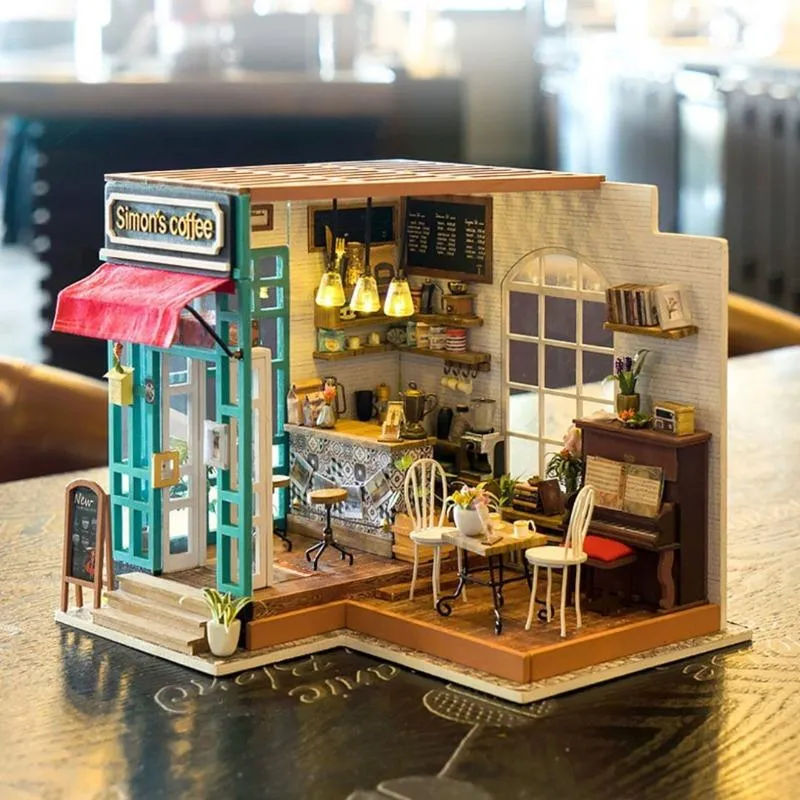

Crafting Precision
In the realm of crafting, the intricate world of DIY 3D puzzles and miniature house kits offers more than just aesthetic pleasure. These hands-on projects serve as powerful tools for improving fine motor skills – the precise coordination of small muscle movements in the hands and fingers. Let’s explore how engaging in these activities can lead to refined dexterity and enhanced control over hand movements.
1. Manipulating Small Pieces
Crafting DIY 3D puzzles and miniature house kits requires the manipulation of tiny components, such as puzzle pieces or miniature furniture. As crafters handle these delicate parts, they develop the ability to control their hand movements with precision, improving overall dexterity.
2. Assembling Intricate Structures
The assembly process involves intricate tasks, such as fitting pieces together and attaching tiny details. This intricate work challenges crafters to refine their hand-eye coordination, as they carefully maneuver components into place with steady hands.
3. Handling Tools and Materials
Crafting DIY kits often involves using tools like tweezers, glue applicators, or small brushes to work with delicate materials. As crafters learn to wield these tools effectively, they enhance their grip strength and control over fine movements, contributing to improved motor skills.
4. Patience and Persistence
Completing DIY projects requires patience and persistence, particularly when dealing with intricate details or challenging assembly steps. By persevering through these tasks, crafters develop endurance and stamina in their hands, further enhancing their fine motor skills.
5. Precision in Painting and Detailing
Adding finishing touches to DIY creations often involves painting tiny details or applying intricate decorations. This delicate work demands steady hands and precise brush control, allowing crafters to refine their fine motor skills while unleashing their creativity.
6. Nurturing Creativity and Confidence
Engaging in DIY crafting activities fosters a sense of creativity and self-expression. As crafters experiment with different techniques and design elements, they gain confidence in their abilities and become more adept at manipulating materials with finesse.
In conclusion, crafting DIY 3D puzzles and miniature house kits provides a holistic approach to improving fine motor skills. Through the manipulation of small pieces, assembly of intricate structures, handling of tools and materials, patience in completing tasks, precision in painting and detailing, and nurturing of creativity and confidence, crafters can achieve refined dexterity and enhanced control over hand movements. So, the next time you pick up a DIY kit, remember that you’re not just creating – you’re also fine-tuning your motor skills with every delicate touch.